How Botanical Gardens Recreate Desert Habitats
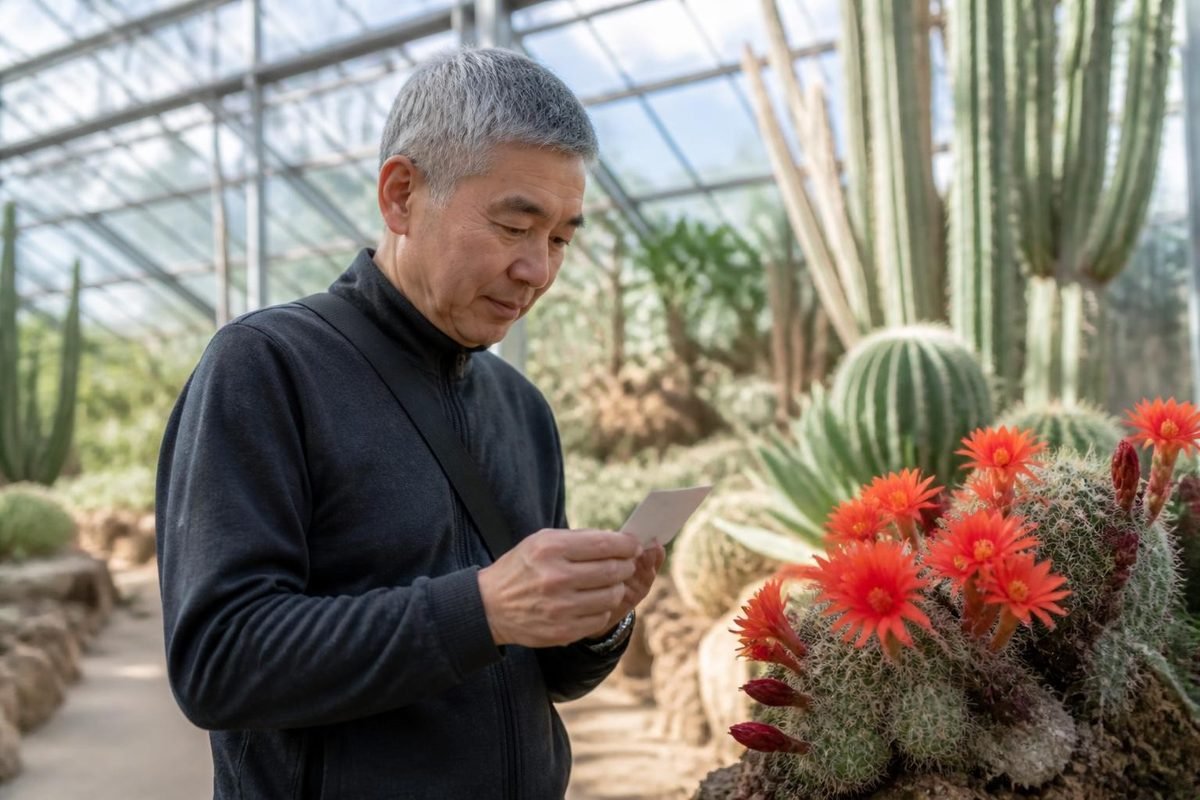
Botanical gardens recreate desert habitats by giving plants fast draining soil, strong light and carefully controlled water. They also use rocks, paths and signs to show visitors how desert plants live in dry places.
Choosing plants for the display
Gardens select plants suited to dry conditions, often grouping species from the same region. A display might feature cacti alongside other desert plants, such as agaves and desert shrubs. The mix depends on the garden’s climate and the space available.
Deserts are not all alike. Some have cold winters, while others stay warm for much of the year. A garden may focus on one region rather than trying to represent every desert in a single bed.
Building soil that drains
Desert plants often need soil that does not stay wet around their roots. Garden staff can improve drainage by adding coarse material such as sand or gravel, or by planting in raised beds. The right mix varies with the plants and local conditions.
Rocks and gravel also shape the scene. They can suggest a rocky slope or a dry wash while leaving room for plants to grow. Staff still need to check that water can move through the soil, especially after heavy rain.
Managing light and temperature
Many desert plants grow best in bright light. Outdoors, gardens place them where they can receive suitable sun. In cooler or wetter climates, a glasshouse can provide shelter and allow staff to manage conditions more closely.
Even a sunny display may have cooler or shadier corners. Staff use those differences to place plants where they are most likely to thrive. Some species also need protection from frost or long periods of winter rain.
Watering with care
A desert display is not simply left dry. Plants need water to establish roots, and their needs change with the season, the weather and the species. Staff water carefully and check the soil rather than treating every plant the same way.
Too much water can damage roots, particularly in cool conditions. Good drainage and a measured watering routine help keep plants healthy without making the display look like a typical garden bed.
Helping visitors understand the habitat
Paths bring visitors close enough to see details without stepping on roots or compacting soil. Labels identify plants and can explain the features that help them cope with dry conditions.
A visitor might notice several adaptations in one display:
- Thick stems or leaves that store water.
- Spines that help protect some plants from animals.
- Small leaves that can limit water loss.
These features do different jobs, and not every desert plant has them. Signs and guided walks can make those differences clear.
A good desert garden is both a living collection and a place to look closely at how plants respond to their surroundings.
A useful next read: international flower journal